What Is Muscle Repair in a Tummy Tuck? Understanding Abdominal Muscle Tightening


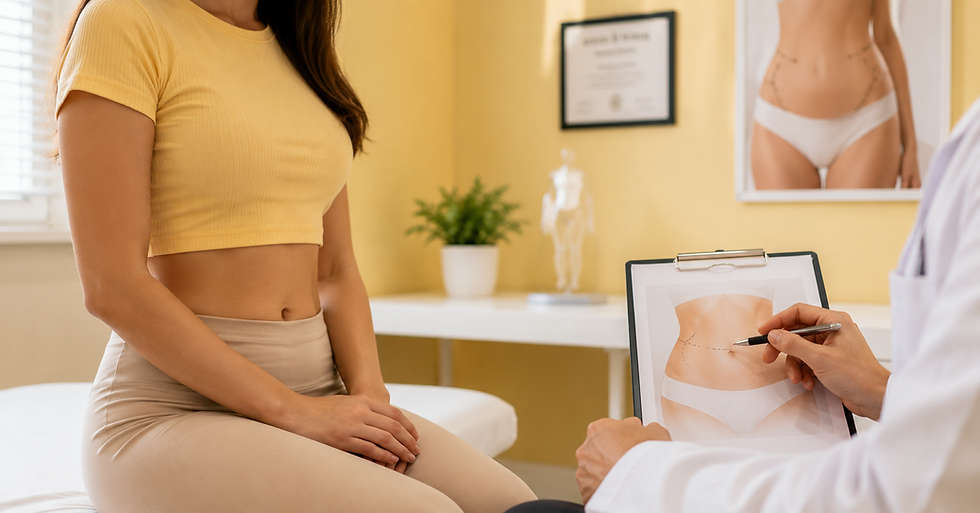
What is a tummy tuck? A tummy tuck (or abdominoplasty) is a body shaping procedure that aims to shape the abdomen. Although most people think of a tummy tuck as the removal of excess fat and skin, the procedure can include tightening of the abdominal muscles. This aspect of the procedure can be of interest to people who have had loose or stretched abdominal muscles following pregnancy, weight gain or loss, or other types of abdominal changes.
By knowing the basics of muscle repair, you will be able to better discuss your needs with a qualified plastic surgeon who can advise on whether a tummy tuck is the best option for you.
What Is Abdominal Muscle Separation?
Within the abdominal wall, there are multiple layers of muscles which support your core and aid in movement and posture. In certain individuals, the tissue in between the primary abdominal muscles may become stretched and weak.
It is often called diastasis recti, or separation of the abdominal muscles. It happens during pregnancy as the abdomen grows, but can also happen after weight changes and other conditions that put strain on the abdominal wall for an extended period of time.
A separation of the muscles sometimes occurs, and this can make the abdomen look more bloated, less tight even if you've lost some weight or if you've been working out more regularly.
What Is Work Done to Your Muscles During a Tummy Tuck?
A tummy tuck can be used to tighten the weakened abdominal wall by sewing the separated muscle layers back together and supporting tissue.
Tightening the Abdominal Wall
The surgeon will also tighten deeper layers of supporting tissue, rather than just cutting away skin. Depending on your anatomy and your procedure, this might include suturing your abdominal wall.
Builds a more firmed abdominal foundation and better midsection contour.
Removing Excess Skin
Muscle repair is just one aspect of a tummy tuck. In some cases, the operation may also include the removal of the extra, sagging skin from the lower part of the abdomen. This may be necessary when people have excess skin after pregnancy or losing a lot of weight.
Repositioning the Belly Button
In a full tummy tuck, it is common for the surgeon to also require repositioning the belly button after the excess skin is eliminated and also the abdominal tissues are rearranged. How much will depend on your specific anatomy as well as the surgical treatment that is required.
Why Is Muscle Repair Sometimes Needed?
Every patient who has a tummy tuck will not need the same kind of surgical technique. Muscle repair may be an option when the abdominal wall has become lax or separated and it might help with achieving a sculpted appearance.
For instance, pregnancy may put a huge strain on the abdominal wall as the baby develops. After delivery, the tissue and skin may not fully revert back to their original state.
Likewise, if you have lost weight and have excess skin and abdominal tissue, this too can be taken into consideration and a personalised treatment plan can include addressing the deeper abdominal wall.
Will Muscle Repair Flatten Out My Belly?
Surgical tightening of the muscles will add definition and may assist in smoothing abdominal contours if muscle separation is present. It is dependent on the anatomy of the individual, amount of excess skin, quality of tissue and lifestyle.
Furthermore, do not think that muscle repair is an alternative to weight loss or exercise. A tummy tuck is a body contouring, not weight loss operation.
A doctor who is experienced in doing the operation will be able to evaluate the abdominal wall and see if it is necessary to do a muscle repair during the procedure.
How Will I Feel After Repair of the Muscle?
Recovery after a tummy tuck is different for each person and depends on the amount of surgery needed. Tightness and discomfort may also be felt in the abdomen if muscle repair is done.
The good news is that patients are advised to take it easy as they heal and steer clear of any exercise without their doctor's approval. Gentle exercise may be recommended, but intense abdominal work should probably be avoided for a short time.
Adhering to postoperative guidance can assist healing and help minimize complications.
Should I do Tummy Tuck and Muscle Repair?
Cannot always look at the human body and skin's condition and muscles at the back to see. Can get informed consultation with the plastic surgeon. A specialist will be able to assess the abdominal wall, the density and elasticity of the skin, as well as the overall body contour.
Tummy tuck Cape Town – Information If you are searching for Tummy tuck Cape Town, it is helpful to know that this procedure may not only be focused on removing unwanted skin. For example, based on your body type and aims, your doctor may consider abdominal muscle repair as part of a customized solution.
Questions to Ask During Your Consultation
Prior to your tummy tuck, you might want to ask your doctor:
Do I have abdominal muscle separation?
Is muscle repair advised in my situation?
What will the procedure involve?
How long recovery might take?
When can I return to exercise?
What could alter my final outcome?
Will the scar be as it was before I had it.
Discussing with your surgeon about the possible benefits, limitations and recovery involved will give you a clearer picture of the procedure.
Understanding Your Tummy Tuck Options
No two abdomens are exactly alike and every tummy tuck procedure needs to be customized to meet your individual needs and expectations. When appropriate, muscle tightening can be an important part of the procedure. This is often necessary when abdominal wall separation and/or weakness are present.
Your Lipo offers tummy tuck & body contouring consultations in Cape Town Our team will evaluate your concerns and discuss if abdominoplasty with or without muscle repair or other additional procedures may be the right treatment for you. The consultation is an opportunity to learn about the anticipated approach, recovery and factors affecting your result.


Comments